The 2020s are marked by a style of communication that is quick, detailed, AI-savvy and expects massive expertise from those navigating workplace and interpersonal communication. If AI can do the work, what makes you irreplaceable? Creative and critical thinking remain the most valuable human skills. This course develops those capacities by fostering an intensive engagement with visual culture, encouraging interdisciplinary exploration, and building confidence in the personal experiences that inform our perception and expression.
With numerous platforms and methods of communication at our disposal, including social media, the noise has become increasingly high, to the point where it is challenging to discern one's own ideas, values, and strengths, and thus decipher one’s communication style. Young professionals need to be able to cut through the noise, stay true to their own voice, and express themselves uniquely. This course is a lab designed for management students to communicate more clearly, assertively, confidently, and articulately. The course explores sustained creative practices of expression through words and visuals, and thus develops unique styles of communication for each student. The course combines activities from Positive Psychology with historical South Asian communication strategies to help each student find their distinct communication style.
Course Objectives
To prepare students for AI-savvy workplaces by integrating communication, visual literacy, and interdisciplinary collaboration as core professional competencies.
- Articulate abstract ideas into precise, persuasive language and visuals through writing, speaking, and image-making exercises.
- Build clarity and structure in communication using mind maps, narrative techniques, and sequencing.
- Develop the ability to express a clear, assertive point of view and creative confidence through creative writing, visual metaphor exercises, and structured peer feedback.
- Train in critical thinking by analyzing assumptions, reframing problems, and generating alternative perspectives.
- Build visual literacy through close reading of artworks, ads, political posters, and album covers.
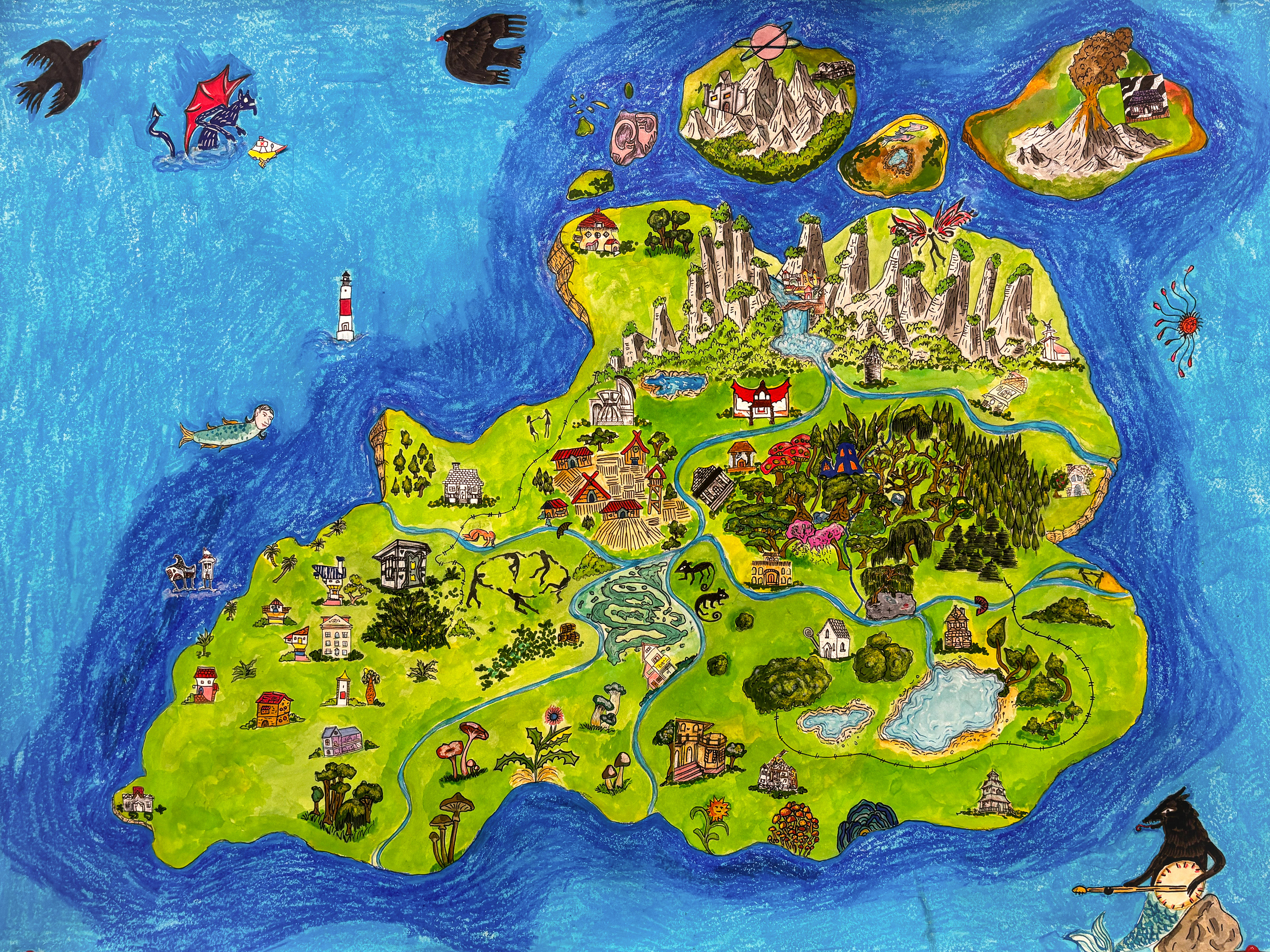
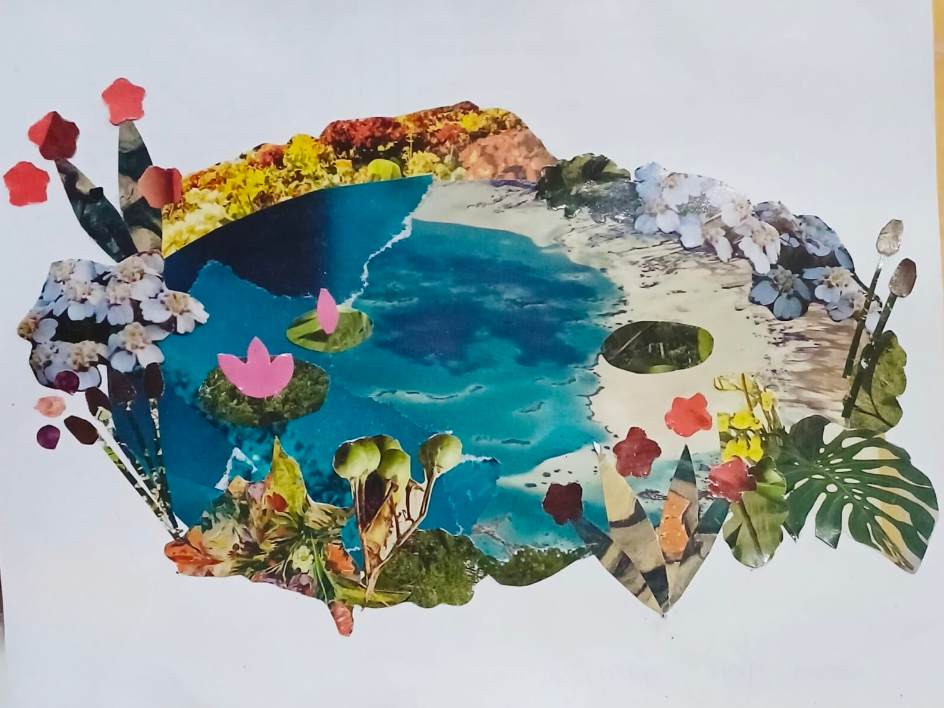
- Use collage and mapping to explore problems, uncover insights, and communicate ideas through story-driven formats.
- To strengthen students’ ability to communicate ideas clearly and creatively across media, and to position visual literacy as a core professional competency for future careers.